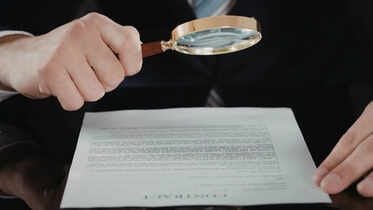
1. Verify the Property TitleEnsure the seller has a clear and marketable title to the property. The ownership history should be free from disputes, claims, or legal complications. A proper title verification confirms that the seller has the legal right to sell the property.2. Check the Sale DeedThe Sale Deed is the primary proof of ownership. Verify that it is genuine, properly registered, and matches the seller's identity and property details.3. Obtain an Encumbrance CertificateAn Encumbrance Certificate (EC) confirms whether the property is free from mortgages, loans, or other financial liabilities. Buying a property with hidden debts can create serious legal problems.4. Verify Government ApprovalsEnsure that the project has received all necessary approvals from local authorities, including land use permission, building plan approval, and occupancy or completion certificates where applicable.5. Check RERA RegistrationIf you're buying a new property, verify that the project is registered under the Real Estate (Regulation and Development) Act (RERA). This adds transparency and protects buyers from delays and unfair practices.6. Confirm Property Tax PaymentsAsk for the latest property tax receipts. Unpaid taxes may become the responsibility of the new owner after purchase.7. Verify Identity of the SellerCheck the seller's government-issued identity documents and ensure their name matches all ownership records. If the seller is acting through a Power of Attorney, verify that it is valid and legally enforceable.8. Review Possession and Occupancy StatusConfirm that the property is vacant or legally occupied. If tenants are present, understand the tenancy terms before proceeding with the purchase.9. Check for Ongoing LitigationSearch for any pending court cases, legal disputes, or government acquisition notices related to the property. A property involved in litigation can create years of legal complications.10. Consult a Property LawyerA qualified property lawyer can verify all legal documents, identify hidden risks, conduct due diligence, and ensure your investment is legally secure before you sign any agreement.Final ThoughtsBuying a property without legal verification can be a costly mistake. A thorough legal check protects your investment, gives you peace of mind, and reduces the risk of future disputes. Never rely solely on verbal assurances or attractive pricing—always verify every legal document before making a purchase.Need Professional Property Legal Assistance?Whether you're buying your first home, investing in commercial property, or purchasing land, professional legal guidance can help you avoid costly mistakes. A property lawyer can review documents, verify ownership, and ensure your transaction is safe, transparent, and legally compliant.Protect your investment before you buy. Legal due diligence today can save years of disputes tomorrow.